

Hospital at Home: The New Frontier Enabled by RPM Technology
In recent years, Remote Patient Monitoring (RPM) technology has significantly evolved, making it possible to extend healthcare services beyond the traditional hospital setting. This advancement is particularly beneficial in South Africa, a nation with vast rural areas where access to healthcare can be limited.
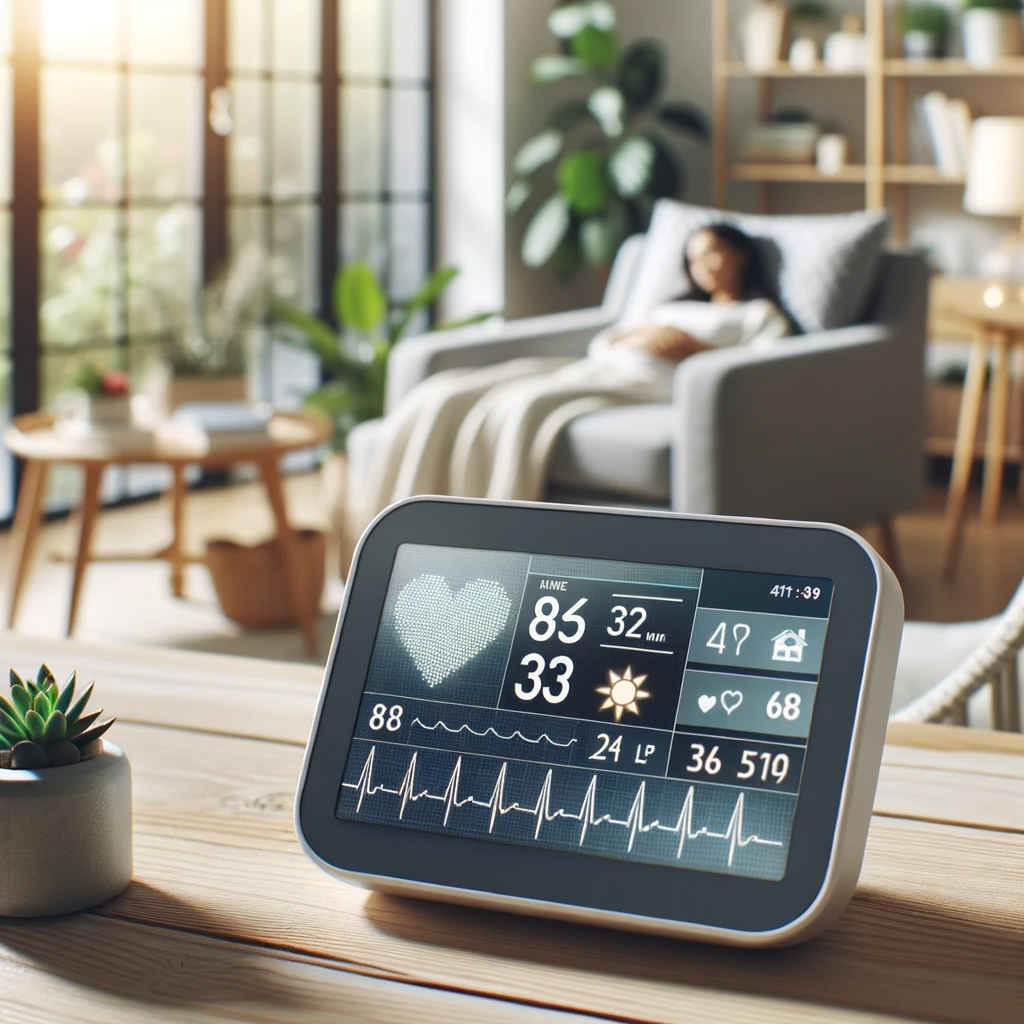
The core premise of the Hospital at Home model is to provide acute and chronic care services to patients in the comfort of their homes. By leveraging RPM technology, healthcare providers can monitor patients' vital signs, medication adherence, and overall wellbeing remotely.
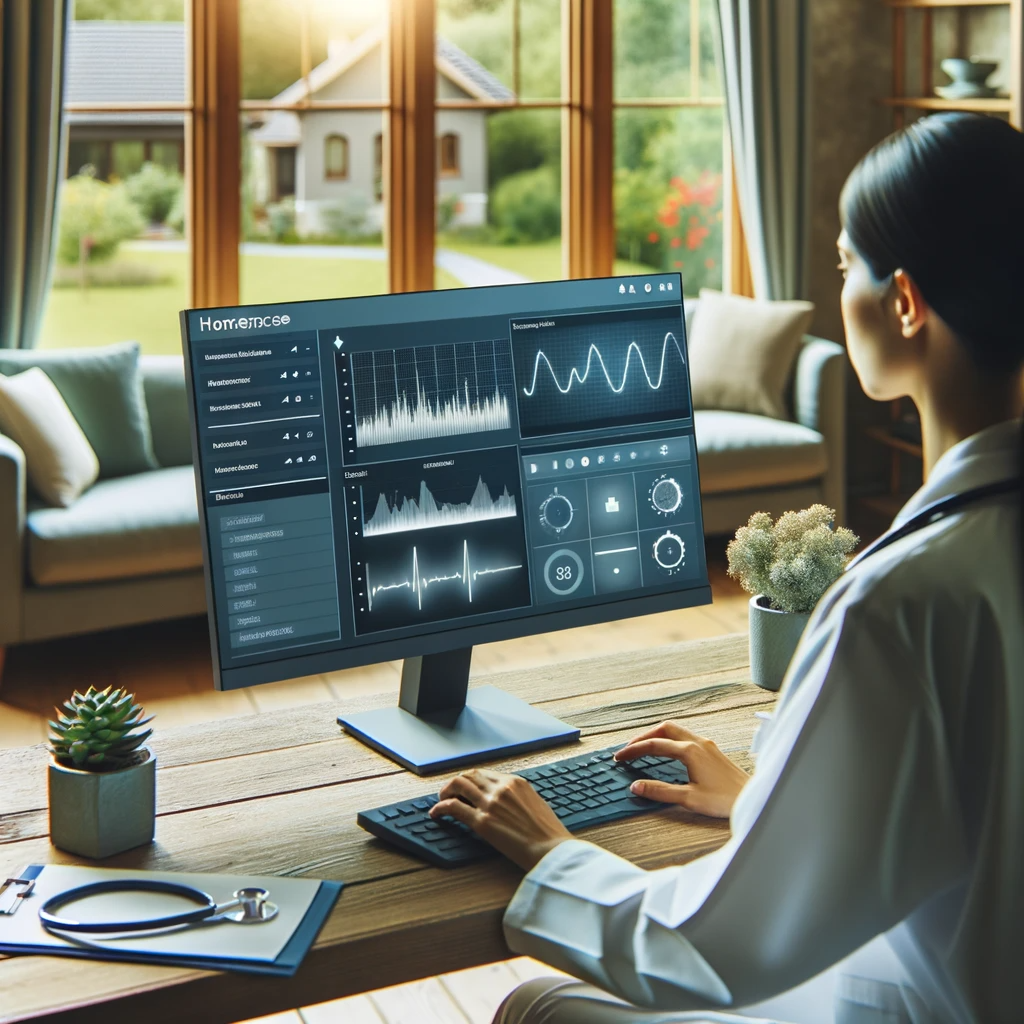
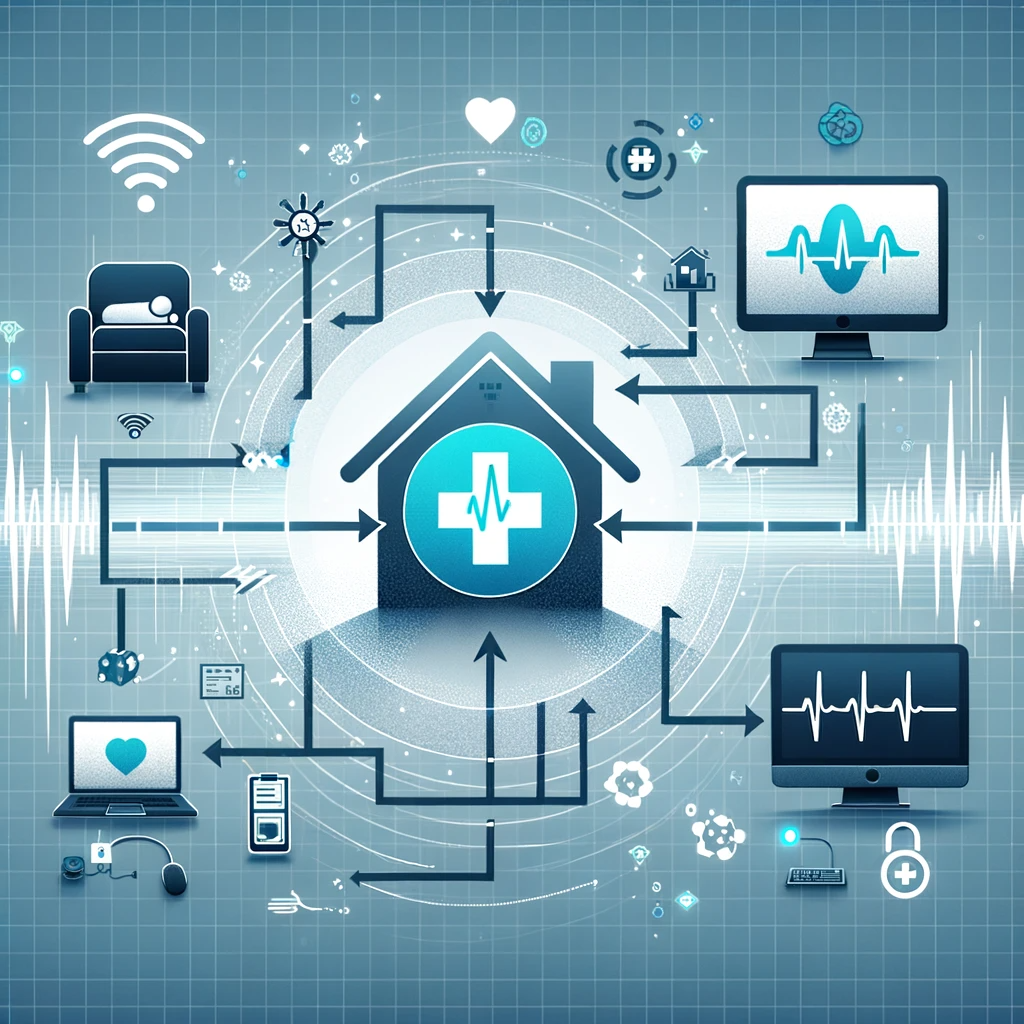
RPM technology not only enables continuous monitoring but also real-time data transmission to healthcare providers. This immediate access to patient data allows for timely interventions, which is crucial in managing acute or chronic health conditions and preventing potential complications.
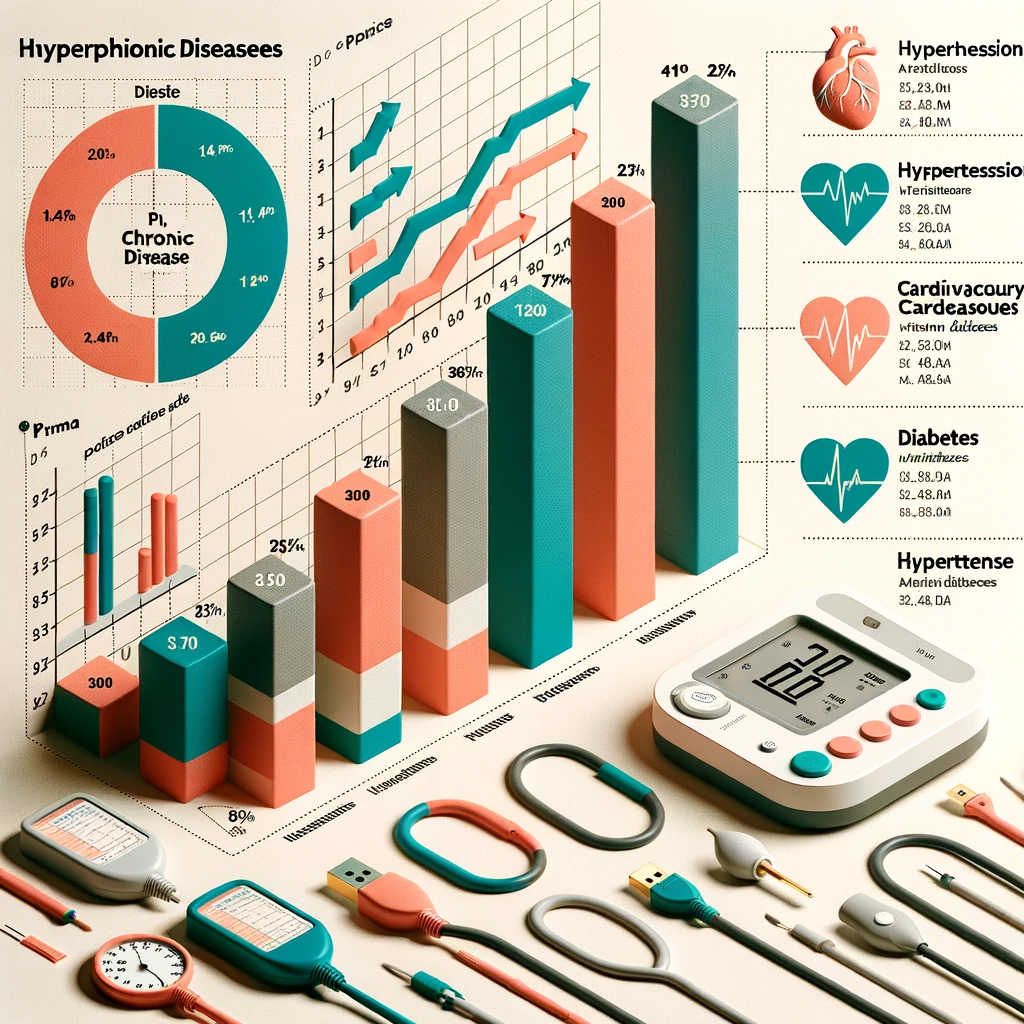
Moreover, South Africa's burden of chronic diseases like hypertension, diabetes, and cardiovascular diseases necessitates innovative solutions like RPM. By promoting early intervention and ongoing management, RPM can significantly contribute to better health outcomes for individuals suffering from chronic ailments.
The Hospital at Home model also addresses the issue of hospital bed shortages, a common challenge in South African healthcare facilities. By shifting the care of stable patients to home-based settings, hospitals can allocate resources more efficiently and cater to patients who require critical care.
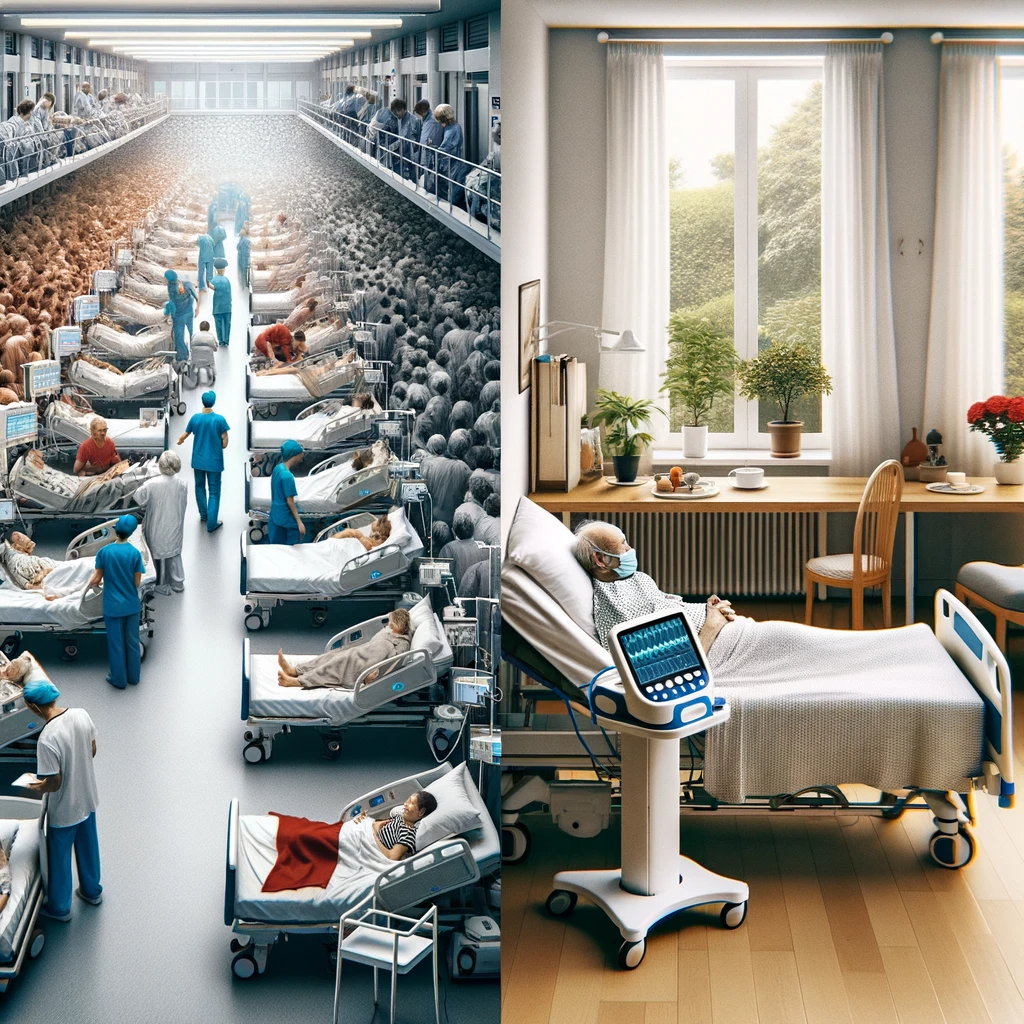
Furthermore, RPM technology empowers patients by putting them at the center of their care. It fosters a sense of ownership and engagement in managing their health, which is a positive step towards promoting patient-centric healthcare in South Africa.

Lastly, the cost-effectiveness of the Hospital at Home model is a substantial benefit, especially in resource-constrained settings prevalent in parts of South Africa. By reducing the need for hospital admissions and readmissions, RPM technology can contribute to significant cost savings for both healthcare providers and patients.
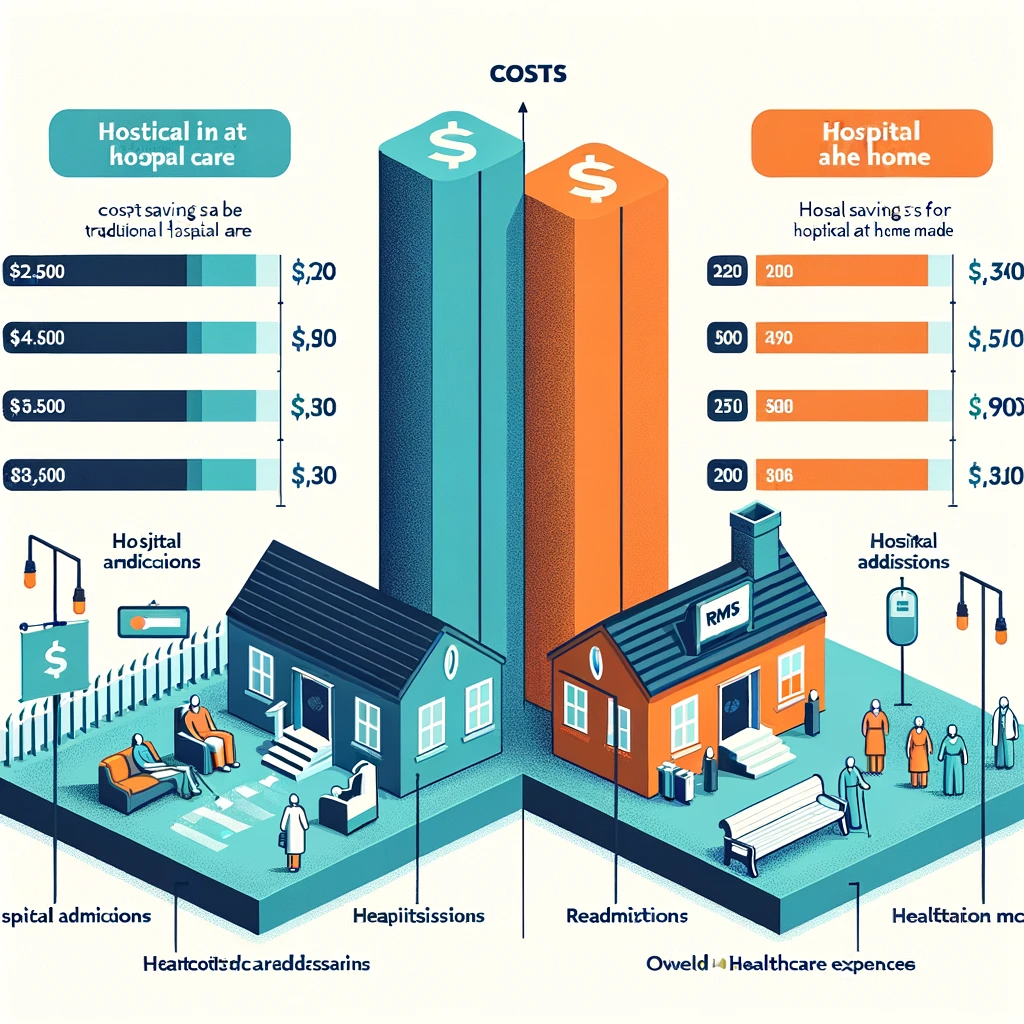
In conclusion, the Hospital at Home model, enabled by RPM technology, presents a viable solution to many of the challenges faced by the South African healthcare system. By providing patient-centric, efficient, and cost-effective healthcare services, RPM technology is indeed paving the way for a new frontier in medical care.